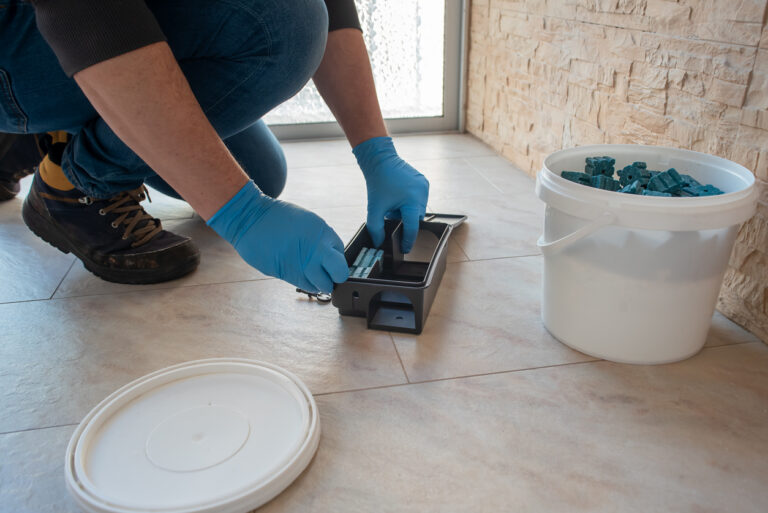
Most homeowners expect mice to stay hidden until the house is dark and quiet. So when one suddenly runs across the kitchen in the middle of the afternoon, it can be especially unsettling. Mice are generally more active at night, but they can come out at any time when they need food, water or shelter. A mouse appearing during the day doesn’t automatically mean you have a major infestation, but frequent daytime sightings can signal more activity in the home than you realize.
Knowing when mice come out, why their routines change, and what other evidence to look for can help you decide whether you are dealing with an occasional intruder or a larger mouse population.
Why Would Mice Come Out in the Day?
While mainly active at night, mice are not strictly nocturnal and can come out during the day. However, mice are generally most active from dusk through night, especially after people and pets have settled down. That is why scratching inside walls, rustling in insulation or quick movement behind cabinets often seems to happen after bedtime.
A mouse may also become active during the day if the house is unusually quiet. For example, someone working away from home all day may never notice that mice are moving through a kitchen or basement in the afternoon. What matters most is not simply seeing a mouse during daylight, but how often it happens and whether other signs of activity are present. Several reasons can cause a mouse to change its normal activity pattern.
Competition for Food
If several mice share the same food sources, some may need to forage outside their usual nighttime hours. A growing mouse population can mean more competition for crumbs, pantry items, pet food, and other easy meals.
A Disturbed Nest
Moving boxes, renovating a room or cleaning an attic or basement can disturb a hidden nesting area. When that happens, mice may suddenly appear when you wouldn’t normally expect them.
Limited Food or Water
Mice will adjust their behavior when basic resources become harder to find. Hunger can outweigh their preference for staying hidden until nighttime.
A Quiet House
Mice respond to activity more than they respond to a clock. If a house is quiet during the day, mice may feel comfortable leaving their nesting area to search for food. Conversely, a busy household can keep them hidden until much later at night.
Does Seeing a Mouse During the Day Mean You Have More Mice?
It can.
A single daytime sighting doesn’t prove a large colony lives in your home. However, mice usually prefer to move when they are less likely to encounter people or pets. If they regularly appear during daylight hours, it may indicate increased competition for food, water, or protected travel routes. That is one reason daytime mouse sightings can indicate a larger population. Pay particular attention if you are also noticing:
- Fresh mouse droppings in multiple areas
- Scratching or scurrying sounds at night
- Chewed food packaging
- Gnaw marks on wood, plastic or wiring
- Shredded material that may be used for nesting
- A strong musky or ammonia-like odor
- More than one mouse sighting
If several of these signs occur together, the mouse you saw may be only part of the problem.
Where Do Mice Come Out From?
Mice spend much of their time in protected spaces that homeowners rarely see, but common hiding and nesting areas include:
- Wall voids
- Attics
- Basements
- Crawl spaces
- Cabinets
- Areas behind refrigerators and stoves
- Garages
- Closets and storage spaces
- Insulation
- Spaces around pipes and utility lines
When mice leave these areas, they often travel along walls and other edges rather than running across wide-open rooms. If you repeatedly see a mouse disappear behind the same appliance, cabinet or wall opening, that location may be part of an established travel route.
What Time of Year Are Mice More Likely to Come Inside?
Mouse problems often become more noticeable as temperatures drop. In colder weather, homes offer several things mice seek that are harder to find outside. For example, homes attract mice because they offer warmth, shelter, food, and reliable water sources. Small gaps around siding, foundations, doors, vents, and utility penetrations can give mice enough space to enter.
Once inside, mice remain active throughout the winter. That makes fall and early winter especially important times to watch for new droppings, scratching noises and other evidence that rodents have moved indoors.
What Should You Look for After Seeing a Mouse?
If you see a mouse, especially during the day, take a closer look around the surrounding area.
Droppings are one of the most common signs, but also check cabinets, drawers, pantries, behind appliances and along baseboards. Odor can be another clue because mouse urine may create a strong, musky or ammonia-like smell, especially in enclosed areas or along routes mice repeatedly use.
Should You Wait to See If the Mouse Goes Away?
It is usually better to investigate than to assume a mouse wandered through and left.
Mice can hide inside walls, cabinets and other protected spaces for long periods without being seen. Even if you spot only one, additional signs may show they have already established a nesting or feeding area inside the home. Traps can help with limited mouse activity, but they don’t necessarily address how mice are getting inside or whether additional animals are nesting elsewhere. For more information on removal options, learn the best ways to get rid of mice.
When Does Daytime Mouse Activity Become a Bigger Concern?
An isolated sighting deserves attention. Repeated daytime sightings deserve even more. Consider professional help if:
- You see mice during the day more than once
- Mouse activity is occurring in several rooms
- New droppings continue appearing after cleanup
- Scratching noises persist inside walls or ceilings
- Food packages are repeatedly damaged
- You notice strong urine odors
- Trapping does not reduce the activity
At that point, determining where the mice are entering and nesting becomes just as important as removing the individual mice you can see.
What Should You Do If Mice Are Coming Out During the Day?
Start by documenting where you see activity and looking for additional evidence in that area. Keep food in sealed containers, clean up crumbs and pet food, and inspect accessible areas for droppings, gnawing and nesting material. If the activity continues, a professional inspection can help determine the problem’s size and location.
Eliminate ’Em provides professional mice exterminator services throughout Connecticut, Rhode Island and parts of Massachusetts and New York. Our technicians can identify active mouse areas, locate likely entry points and develop a removal and prevention plan for the property.
Proactive prevention is the most effective way to address the factors that draw mice and rodents to your home. If you are dealing with an active infestation, turn to the experts at Eliminate ’Em. Our experienced pest control technicians will eliminate the current rodent problem and implement reliable safeguards to protect your property from future infestations. For fast rodent and mouse removal or additional pest management services, contact us today.