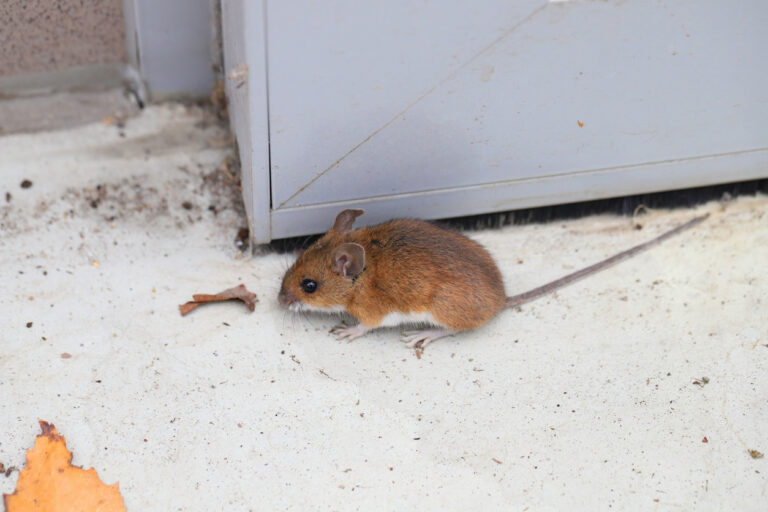
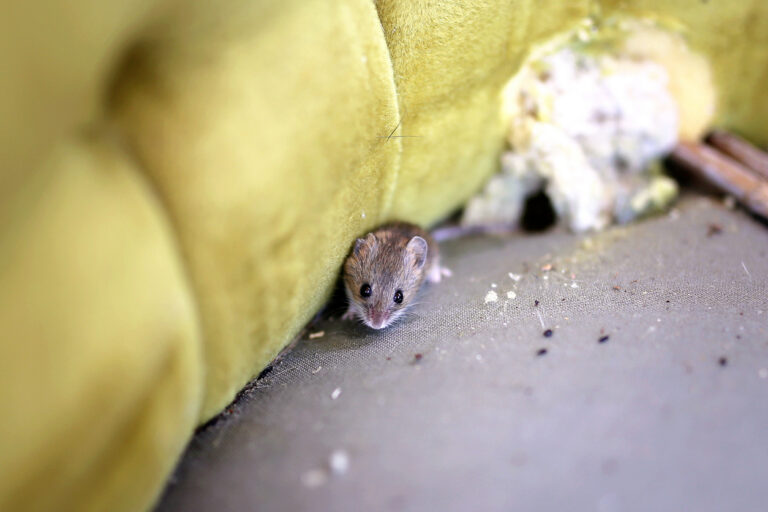
Mice are always looking for the same basic things. They want food, water, warmth and a safe place to hide. Your home can provide all four without you realizing it. For example, a few crumbs under an appliance, an open bag of pet food, a warm attic or a small gap around a pipe can be enough to attract mice. And unfortunately, once mice (and related rodents) find a reliable source of food and shelter, they may settle in quickly. If you are trying to understand what attracts mice, start with a few simple questions.
- What do mice eat?
- What smells attract mice?
- Can mice eat pet food and pantry items?
- Do mice eat bugs?
- Where do mice hide inside a house?
- What attracts mice to a yard?
- How can you make your home less appealing to mice?
Knowing the answers can help you prevent a mouse infestation before it becomes a larger problem.
What Attracts Mice to Your House?
Food, warmth, and shelter are the primary factors driving mice into homes.
Because mice can squeeze through tiny openings, gaps near foundations, utility lines, garage doors, and roof vents offer easy access. Once indoors, they seek quiet spots like basements, attics, garages, crawl spaces, and wall voids to build nests out of materials such as cardboard, paper, fabric, and insulation. A continuous supply of food and water ultimately encourages these pests to stay long-term. 
What Do Mice Eat?
Mice are opportunistic eaters. They will eat many different foods when they are available. For example, in the wild, mice often feed on seeds, grains, fruits and plant material. However, inside a home, they are less selective and the common foods that attract mice include:
- Cereal
- Rice
- Oats
- Bread
- Crackers
- Nuts
- Seeds
- Fruit
- Chocolate
- Candy
- Pet food
- Bird seed
- Food scraps
- Garbage
Importantly, mice do not need a large meal. Small amounts of food left behind each day can be enough to keep them coming back. That is why crumbs matter. Food residue under a toaster, refrigerator or stove may seem insignificant to you, but it can be a reliable food source for mice.
Can Mice Eat Almost Anything?
Mice can eat a remarkably wide variety of foods. They frequently chew through paper, cardboard, or plastic packaging to access items stored inside. Pantry staples kept in thin boxes or bags are easily compromised, as are bulk items like dry pet food, bird seed, and livestock feed. Because these supplies are often kept in larger amounts, they are particularly alluring to rodents. Transferring any food stored in your pantry, basement, or garage into sturdy, sealed containers with tight lids is a simple measure that eliminates a primary incentive for mice to remain in your home.
Do Mice Eat Bugs?
Insects form a natural part of a mouse’s diet, even if they aren’t the first food source that comes to mind. When available, mice will feed on small insects such as cockroaches, caterpillars, and beetles. Consequently, cluttered spaces like basements, crawl spaces, and garages can offer an unexpected abundance of food. However, relying on mice to clear out an insect infestation is not a solution. It can have the opposite effect, as an existing insect presence gives mice an added incentive to stay on your property.
What Smells Attract Mice?
Mice have a strong sense of smell. Food odors can lead them toward kitchens, pantries, garbage cans and storage areas. Some of the strongest smells that attract mice and rodents include:
- Peanut butter
- Nuts
- Seeds
- Pet food
- Greasy foods
- Sweets
- Fruit
- Garbage
- Compost
While properly sealed food rarely presents an issue, exposed food and lingering residue quickly draw unwanted attention. Uncovered garbage cans let odors spread, as do pet food bowls left out overnight. Similarly, unmanaged compost piles can become another reliable food source for pests. Eliminating these lingering food scents forms an essential foundation for effective rodent prevention.
What Attracts Mice to Your Yard?
Controlling a mouse problem frequently begins outdoors. Yards with dense, overgrown vegetation offer ideal concealment for rodents, while piles of wood, leaves, and outdoor debris present ready-made shelter. Bird feeders also provide a steady food source, and tree branches or shrubs leaning against the house can serve as convenient pathways to the structure.
To discourage mice before they make their way inside, consider these preventative yard maintenance strategies:
- Prune shrubs and tree limbs so they do not touch the house.
- Clear away lawn clutter, leaf piles, and debris.
- Keep firewood stacked neatly and stored well away from the home’s foundation.
- Promptly collect fallen fruits and vegetables from garden areas.
These precautions make your outdoor environment far less inviting to pests.
Where Do Mice Hide Inside a House?
Mice prefer dark, quiet spaces. They often choose areas where they will not be disturbed and their common hiding spots include:
- Attics
- Basements
- Crawl spaces
- Wall voids
- Cabinets
- Garages
- Storage rooms
- Behind appliances
- Under sinks
- Inside insulation
You might hear scratching noises long before actually spotting a mouse. Other common indicators of activity include droppings, gnaw marks, and shredded nesting materials. If you suspect rodents are present, these key locations should be inspected first.
What Attracts Mice in the Fall?
As autumn arrives and outdoor temperatures plummet, natural food sources become scarce, making homes an appealing target for mice seeking shelter inside your home. These pests often enter through tiny openings around utility lines, vents, foundations, and doors. To protect your property, inspect the exterior in the fall. To help prevent a fall rodent infestation, repair or replace worn weatherstripping, install door sweeps, and seal any small gaps.
How Can You Make Your Home Less Attractive to Mice?
- Food Control: Store all pantry food in airtight, sealed containers. Wipe up spills and crumbs immediately, and avoid leaving pet food out overnight. Keep sinks and food preparation surfaces completely clean.
- Shelter Reduction: De-clutter basements, attics, and garages. Replace cardboard storage boxes with sturdy plastic bins, or ensure cardboard is neatly organized.
- Entry Point Sealing: Thoroughly inspect your home for tiny gaps and cracks. Seal openings around foundations, doors, vents, and utility pipes.
- Moisture Elimination: Promptly repair leaking plumbing fixtures and drain any standing water around the home.
While taking these precautions cannot guarantee a rodent-free home, eliminating key attractants makes your living space significantly less welcoming to mice.
What Should You Do If Mice Are Already Inside?
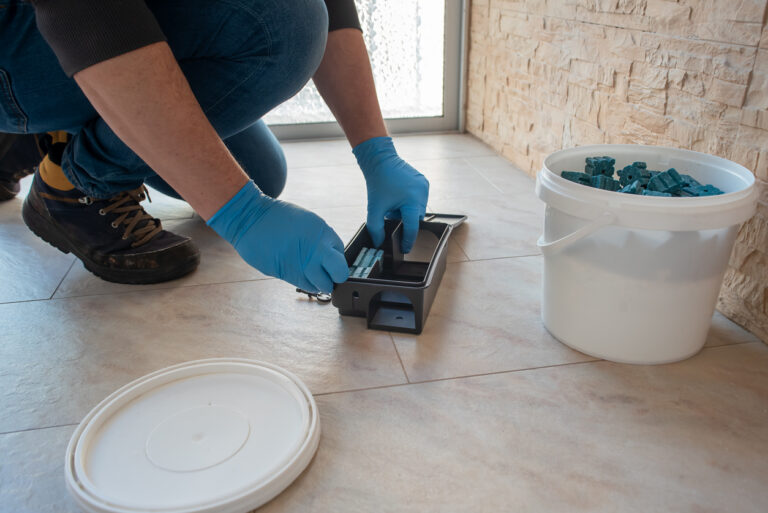
Preventive steps work best before rodents gain access, but an active infestation requires direct action. When thinking about how to catch a mouse, most homeowners start with trapping. Trapping is an effective initial approach, and strategic placement plays a critical role in success. However, other methods can help you get rid of mice, such as pest-repelling plants and sealing your home. If recurring activity persists, the infestation may be more extensive, and a pest control professional can help identify entry points and nesting sites.
When Should You Call a Mouse Exterminator?
Don’t ignore even a single mouse sighting, as these pests reproduce rapidly and one rodent often signals a broader infestation. If you suspect an active problem, act quickly and consider professional help if you notice:
- New droppings each day
- Scratching in walls or ceilings
- Gnaw marks on food packages
- Nesting material
- Mouse urine odors
- Multiple sightings
- Signs in several rooms
- Continued activity after trapping
The team at Eliminate ‘Em provides thorough property inspections to uncover mouse entry points. Beyond removal, we specialize in exclusion and preventive solutions that address the immediate infestation while helping prevent future rodents from entering your home.
So, once you see the signs, turn to Eliminate ‘Em for 24/7 pest control service throughout Connecticut, Rhode Island, western Massachusetts and southern New York. Contact us today to schedule a visit from one of our professional exterminators.